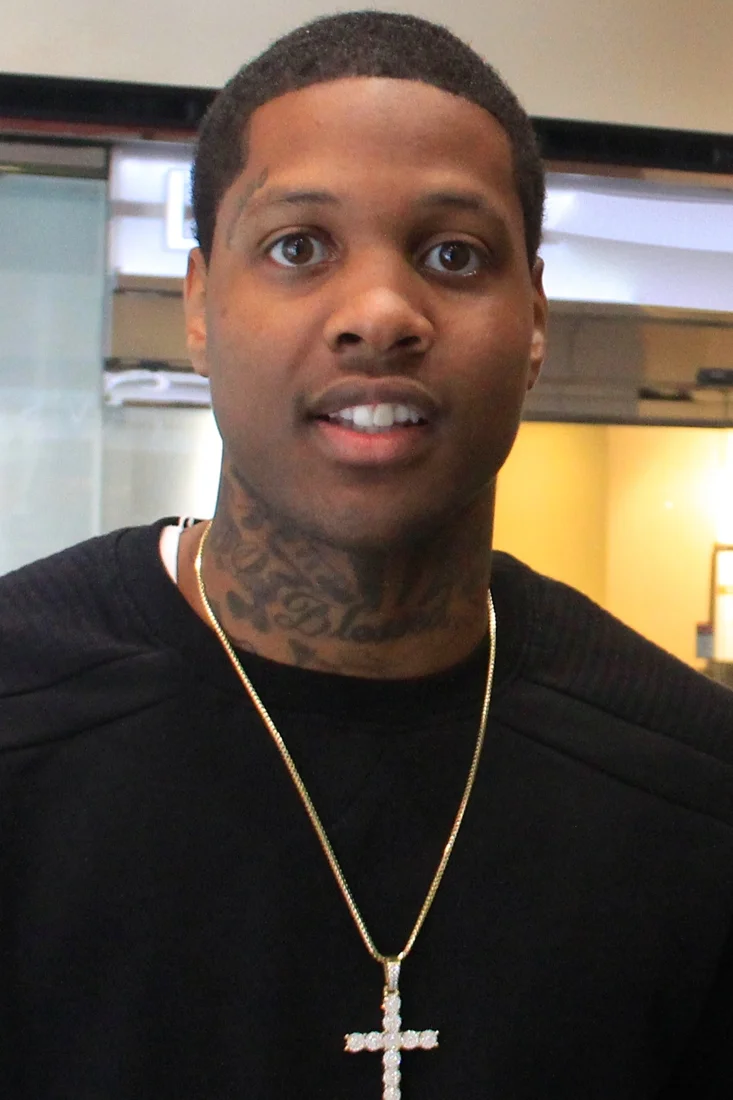
D4vd reportedly told Celeste the door was open. Twenty-one minutes later, he asked where she was.
Celeste Rivas Hernandez was 14. Prosecutors used those messages to build part of their murder case against D4vd. His defense challenged what the timeline could prove, and he has pleaded not guilty. So what do those 21 minutes actually tell us?
The caseD4vd faces charges involving the death and alleged abuse of a child. He pleaded not guilty. This edition records a preliminary-hearing ruling, not a trial verdict.
Two reported messages · April 23, 2025
Celeste reportedly said she was nearly at D4vd’s home and asked him to open the door. Then came these messages:
ABOUT 10:10 P.M.gate open door unlockedReported message from D4vd to Celeste
ABOUT 10:31 P.M.uber said ur here wya?Reported message from D4vd to Celeste
Content note: allegations involving a child’s death and abuse. No graphic images or explicit material are shown here. External court documents may contain disturbing descriptions.
Reported communications · April 22–23, 2025
What can 21 minutes tell us?
Follow the sequence described at the hearing. The messages are paraphrased from reported testimony, not reproduced from a device ClearPiece examined.
Reported testimony · Motive disputed
The argument came before the timeline.
Investigator Corey Farell described messages in which Celeste threatened to expose information about D4vd and damage his career. Prosecutors argued that fear of exposure supplied a motive to kill her.
The defense read the exchanges as relationship conflict rather than proof of a deliberate plan to kill. The messages show what was reportedly said. They do not establish the prosecution’s motive theory as fact.
Sources and context
Mapped to the edition’s Day 5 brief and reported-hearing records. ClearPiece’s brief is a summary of reporting, not an official transcript. Original messages and devices were not reviewed directly.
An arrival message is not a view inside the house.
The communications indicated that D4vd arranged a ride-share from Celeste’s family home to his Hollywood Hills residence. Shortly after 10 p.m., she reportedly said she was approaching and asked for the door to be opened. Around 10:10 p.m., D4vd messaged that it was open.
That gives the prosecution a reported arrival sequence. The defense emphasized that the reviewed reporting identified no eyewitness or video showing her physically entering the home.
Sources and context
Mapped to the Day 5 brief and the edition’s final-communications and defense-challenge records. This is a paraphrase of reported evidence. It is not a screenshot, verified device extraction or reconstruction of what happened indoors.
Twenty-one minutes became a theory of what happened.
At about 10:31 p.m., D4vd asked for Celeste’s location. Prosecutors built a timeline between that request and the earlier open-door message. Investigators believed she likely died within that interval.
The medical examiner could not determine an exact date or time of death. The 21 minutes therefore describe the prosecution’s timeline, not a medically established death window.
Sources and context
The alleged interval is recorded in the Day 5 brief; the medical timing limit is recorded in the Day 4 brief. These briefs summarize reporting. ClearPiece did not directly inspect the autopsy file or the underlying messages.
The 21 minutes come from messages. Not a medical clock.
That is why the sequence can matter without settling the case. It supports an argument about timing. It does not turn the prosecution’s account of what happened into an established fact.
What the reported sequence suppliesA planned visit, an open-door message and a later request for her location.
What it does not settlePhysical entry, an exact medically confirmed death time or who caused her death.
The hearing also moved through an earlier police encounter, purchases under another name and forensic comparisons. These stories sit alongside each other in one connected investigation.
An earlier police encounter
What did D4vd tell police, and what did witnesses describe later?
Day 1 reporting described D4vd telling officers that Celeste had said she was 18 and that he had met her once. Day 4 brought testimony about sustained messages, photographs and plans to travel and live together.
The complete investigation puts the two accounts beside each other. The apparent inconsistency can affect credibility. It does not, by itself, prove murder.
Purchases and a missing forensic link
What did the purchase records connect to D4vd?
A detective described purchases made as Trayvion Davis, paid with D4vd’s cards and delivered to his residence. A bag found with the remains reportedly matched a purchased product.
Then cross-examination exposed a limit: the bag itself was not collected and forensically tied to D4vd. Follow the purchase trail and the challenge together, without turning a product match into a DNA match.
DNA testimony
What did the DNA testing tell investigators about the garage items?
A scientist described DNA results from garage items as about a septillion times more likely if the profiles came from Celeste than from an unknown person. A septillion is a 1 followed by 24 zeros.
That number concerns whose DNA it was, not the odds that D4vd was guilty. The investigation follows the tested items, the different results and the questions the profiles could not answer about timing or activity.
A damaged inflatable pool
How did the examiner compare the blue fragments with the damaged pool?
An examiner testified that some recovered blue fragments had once been part of the damaged pool. Other similar pieces could not be fitted to a particular missing area.
Follow the physical comparison alongside its limits. A fit can connect material to an object without establishing when contact happened, who damaged it or exactly how it was used.
One investigation, with more beyond these four stories.
The passport found beside a highway, the recovered saws and their testing gaps, the medical testimony and the competing closing arguments all sit around them. Follow the people and evidence across the five hearing days, then into the later plea, change of lawyers and separate civil lawsuit recorded in this edition.
The case becomes more interesting as those connections come into view. The limits stay with the evidence, so you can see what each piece adds without asking it to prove more than it can.
D4vdThe October 2 edition records a pending criminal prosecution and a separate civil lawsuit. Neither is a trial verdict.
Who you are reading about
The people behind the proceedings.
The complete investigation keeps each person’s role and the limits of their account close to the evidence.
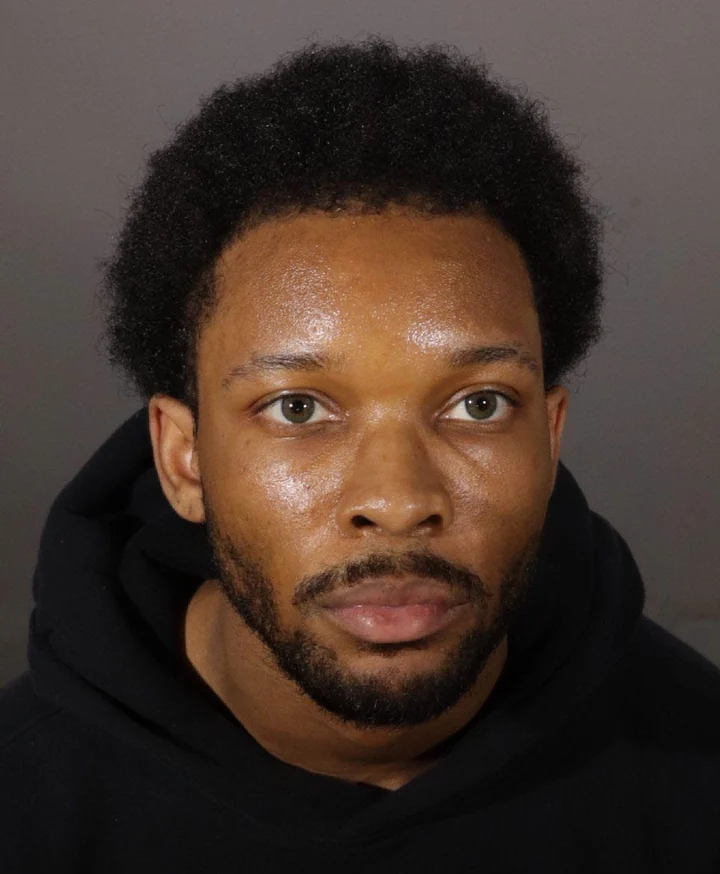
DefendantD4vdThe October 2 edition records his not-guilty plea and pending charges.
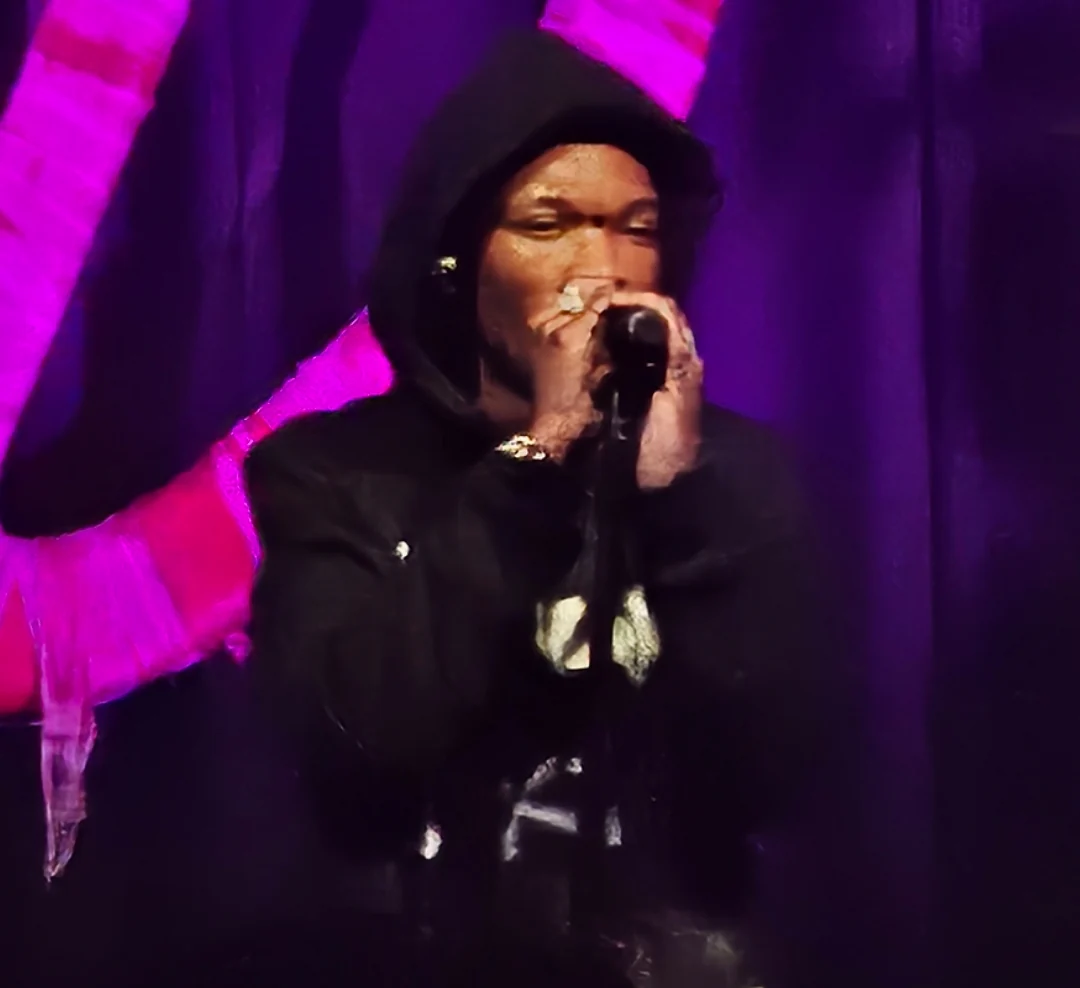
Public identityD4vd before the caseD4vd is the musician at the center of the criminal proceedings.
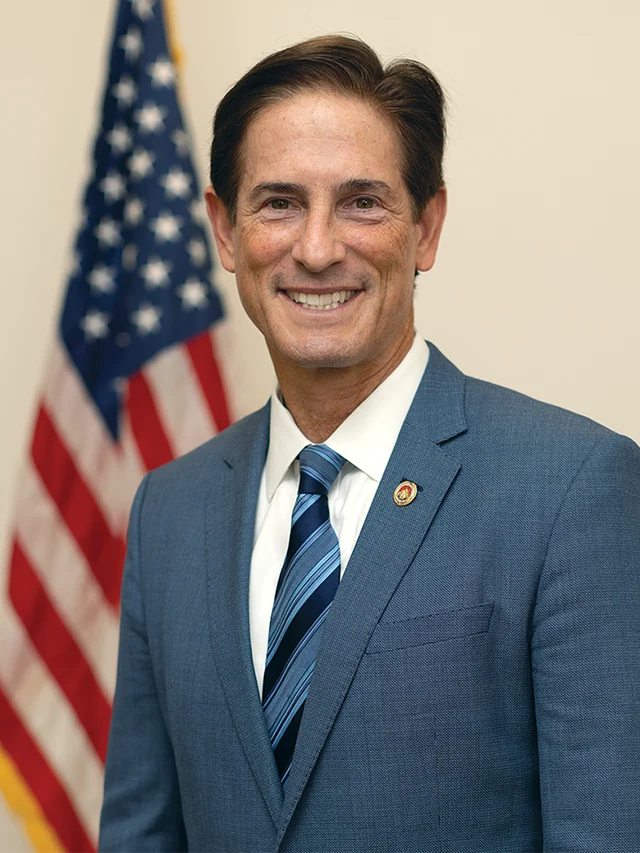
Prosecuting officeNathan J. HochmanLos Angeles County District Attorney. His office is prosecuting the criminal case.
Photo credits
D4vd performance: AskeeaeWiki, via Wikimedia Commons. Source crop by Rhain. Resized and WebP compressed for ClearPiece; display crops vary by screen. Performance photograph and authorCC BY 4.0 license
D4vd booking photograph: Los Angeles Police Department, via the Los Angeles County District Attorney and Wikimedia Commons. Cropped source, resized and compressed. Public domain in the United States as a California government record. Booking photograph and reuse status
Nathan J. Hochman: Los Angeles County District Attorney, via Wikimedia Commons. Cropped source, resized and compressed. Public domain in the United States as a California government record. Hochman photograph and reuse status
Used for identification and reporting context. No endorsement is implied.
The complete D4vd investigation
Keep following the case.
You have followed one disputed sequence. Continue into the earlier encounters, the purchases, the forensic testimony and the arguments built around them. They are all part of the same substantial investigation, ready to explore wherever your curiosity takes you.
Individual purchases are temporarily unavailable while hosted access is being verified. Existing customer access is preserved. This edition was verified through October 2, 2026.
One complete investigation
$17.99
The D4vd Case. An individual investigation purchase.
This preview draws on preliminary-hearing reporting and prosecution records. ClearPiece reviewed five written briefs that summarize reporting and two official DA pages. It did not directly review the original messages, devices, laboratory files, autopsy materials, body-camera footage or official daily transcripts. The base edition (1.0.4) was checked through October 2, 2026, with a separately dated October 19 reporting update and targeted October 28 corrections. Reports listed a January 11, 2027 conference, and Court TV reported a February trial listing. The current official trial setting and penalty notice were not obtained. DA releases give the prosecution’s account. The decision to proceed was preliminary, and D4vd has pleaded not guilty.